|
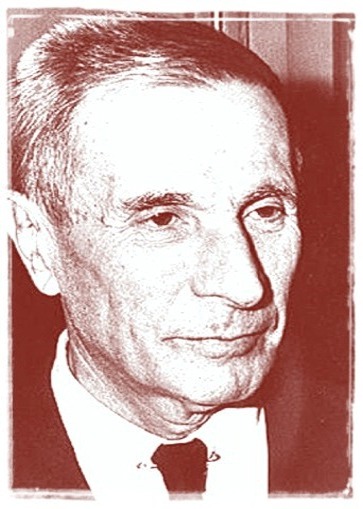
dino buzzati traverso 'kafka italiano'
belluno 16 ottobre 1906 - milano 28 gennaio 1972
ogni vero dolore viene scritto su lastre di una sostanza misteriosa al paragone della quale il granito è burro e non basta un'eternità a cancellarlo Fra miliardi di secoli, la sofferenza e la solitudine di mia mamma, provocate da me, esisteranno ancora
Ed io non posso rimediare. Espiare soltanto
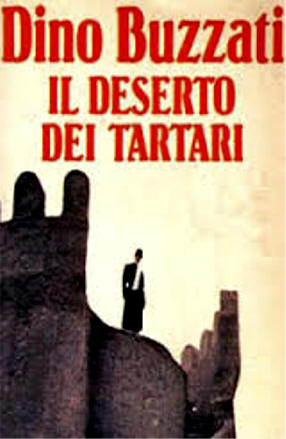
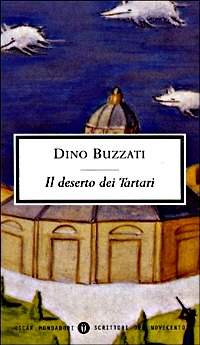
il deserto dei tartari - romanzo e film - prima nazionale teatrale 28 luglio 2012 - trailer 1976 https://youtu.be/79JjUel7q3E - adattamento a fumetti 2024 la fortezza Bastiano è un avamposto morto, una frontiera che si affaccia sul niente. Al di là della fortezza c'è un deserto, e dopo il nulla, il deserto dei Tartari. L'hanno certamente attraversato, secoli fa, e poi sono scomparsi.
L'intero ROMANZo è caratterizzato, oltre che dai temi
buzzatiani e da un ritmo alquanto variabile di narrazione, dal continuo mutare
di prospettiva del narratore. Talvolta questi assume il punto di vista del
protagonista, altre volte narra di lui in terza persona, allontanandosi; oppure
interloquisce con i personaggi; in alcuni casi sembra seguire un proprio
pensiero, un flusso di coscienza ininterrotto che prelude a quelle che saran italialibri.net incipit NOMINATO UFFICIALE, GIOVANNI DROGO PARTÌ UNA MATTINA DI SETTEMBRE DALLA CITTÀ PER RAGGIUNGERE LA FORTEZZA BASTIANI, SUA PRIMA DESTINAZIONE. SI FECE SVEGLIARE CH'ERA ANCORA NOTTE E VESTÌ PER LA PRIMA VOLTA LA DIVISA DI TENENTE. COME EBBE FINITO, AL LUME DI UNA LAMPADA A PETROLIO SI GUARDÒ NELLO SPECCHIO, MA SENZA TROVARE LA LETIZIA CHE AVEVA SPERATO. NELLA CASA C'ERA UN GRANDE SILENZIO, SI UDIVANO SOLO PICCOLI RUMORI DA UNA STANZA VICINA; SUA MAMMA STAVA ALZANDOSI PER SALUTARLO. ERA QUELLO IL GIORNO ATTESO DA ANNI, IL PRINCIPIO DELLA SUA VERA VITA. PENSAVA ALLE GIORNATE SQUALLIDE ALL'ACCADEMIA MILITARE, SI RICORDÒ DELLE AMARE SERE DI STUDIO QUANDO SENTIVA FUORI NELLE VIE PASSARE LA GENTE LIBERA E PRESUMIBILMENTE FELICE; DELLE SVEGLIE INVERNALI NEI CAMERONI GELATI, DOVE RISTAGNAVA L'INCUBO DELLE PUNIZIONI. RICORDÒ LA PENA DI CONTARE I GIORNI AD UNO AD UNO, CHE SEMBRAVA NON FINISSERO MAI. ADESSO ERA FINALMENTE UFFICIALE, NON AVEVA PIÙ DA CONSUMARSI SUI LIBRI NÉ DA TREMARE ALLA VOCE DEL SERGENTE, EPPURE TUTTO QUESTO ERA PASSATO. TUTTI QUEI GIORNI, CHE GLI ERANO SEMBRATI ODIOSI, SI ERANO ORAMAI CONSUMATI PER SEMPRE, FORMANDO MESI ED ANNI CHE NON SI SAREBBERO RIPETUTI MAI. SÌ, ADESSO EGLI ERA UFFICIALE, AVREBBE AVUTO SOLDI, LE BELLE DONNE LO AVREBBERO FORSE GUARDATO, MA IN FONDO - SI ACCORSE GIOVANNI DROGO - IL TEMPO MIGLIORE, LA PRIMA GIOVINEZZA, ERA PROBABILMENTE FINITO. COSÌ DROGO FISSAVA LO SPECCHIO, VEDEVA UNO STENTATO SORRISO SUL PROPRIO VOLTO, CHE INVANO AVEVA CERCATO DI AMARE. CHE COSA SENZA SENSO: PERCHÉ NON RIUSCIVA A SORRIDERE CON LA DOVEROSA SPENSIERATEZZA MENTRE SALUTAVA LA MADRE? PERCHÉ NON BADAVA NEPPURE ALLE SUE ULTIME RACCOMANDAZIONI E ARRIVAVA SOLTANTO A PERCEPIRE IL SUONO DI QUELLA VOCE, COSÌ FAMILIARE ED UMANO? PERCHÉ GIRAVA PER LA CAMERA CON INCONCLUDENTE NERVOSISMO, SENZA RIUSCIRE A TROVARE L'OROLOGIO, IL FRUSTINO, IL BERRETTO, CHE PURE SI TROVAVANO AL LORO GIUSTO POSTO? NON PARTIVA CERTO PER LA GUERRA! DECINE DI TENENTI COME LUI, I SUOI VECCHI COMPAGNI, LASCIAVANO A QUELLA STESSA ORA LA CASA PATERNA FRA ALLEGRE RISATE, COME SE ANDASSERO A UNA FESTA. PERCHÉ NON GLI USCIVANO DALLA BOCCA, PER LA MADRE, CHE FRASI GENERICHE VUOTE DI SENSO INVECE CHE AFFETTUOSE E TRANQUILLANTI PAROLE? L'AMAREZZA DI LASCIARE PER LA PRIMA VOLTA LA VECCHIA CASA, DOVE ERA NATO ALLE SPERANZE, I TIMORI CHE PORTA CON SÉ OGNI MUTAMENTO, LA COMMOZIONE DI SALUTARE LA MAMMA, GLI RIEMPIVANO SÌ L'ANIMO, MA SU TUTTO CIÒ GRAVAVA UN INSISTENTE PENSIERO, CHE NON GLI RIUSCIVA DI IDENTIFICARE, COME UN VAGO PRESENTIMENTO DI COSE FATALI, QUASI EGLI STESSE PER COMINCIARE UN VIAGGIO SENZA RITORNO. 1958 illibraio.it/news/dautore/libri-dino-buzzati .
un altro finale
- Il grande romanzo
uscì nel giugno 1940. Dall’archivio
emergono due fogli con l’idea iniziale di
chiudere il libro in un altro modo :
Drogo vive e torna in città .
La Fortezza Bastiani era, in realtà, la redazione del Corriere della
Sera, dove il Tenente Drogo/Dino Buzzati aspettava la grande occasione
professionale. Una fenomenale allegoria della vita e dell’attesa. Uno
libro impeccabile perché grandioso ed evocativo; eppure breve, e scritto
in modo pulito. Molto adatto anche ai ragazzi dai 12 ai 102 anni .
Le domaine du Désert des Tartares est celui de la traversée d'une existence, sur un tempo qui est donné par le battement d'un coeur, une respiration, c'est le pur tracé d'un destin dans sa fascinante progression. alalettre.com
...
A una certa età sperare costa grande
fatica, non si ritrova più la fede di quando si aveva venti anni. ... Così una pagina lentamente si volta, si distende dalla parte opposta, aggiungendosi alle altre già finite, per ora è solamente uno strato sottile, quelle che rimangono da leggere sono in confronto un mucchio inesauribile. Ma è pur sempre un'altra pagina consumata, signor tenente, una porzione di vita. ... La pace regnava sul mondo, le sentinelle non davano l'allarme, nulla lasciava presagire che l'esistenza sarebbe potuta cambiare . ... Gli parve che la fuga del tempo si fosse fermata, il mondo ristagnava in una orizzontale apatia e gli orologi correvano inutilmente e non restava più nulla da dire .
...
- E’ un tratto di frontiera morta - aggiunse Ortiz.
- Così non l’hanno mai cambiata, è sempre rimasta
come un secolo fa. ... Eppure il tempo soffiava - senza curarsi degli uomini passava su e giù per il mondo mortificando le cose belle - e nessuno riusciva a sfuggirgli, nemmeno i bambini appena nati, ancora sprovvisti di nome . ... Il tempo è fuggito tanto velocemente che l'animo non è riuscito a invecchiare. ... Provò a chiamare ma gli echi gli respinsero la voce con timbro nemico . ... Il tempo intanto correva . il suo battito silenzioso scandisce sempre più precipitoso la vita, non ci si può fermare neanche un attimo, neppure per un’occhiata indietro. Ferma, ferma ! si vorrebbe gridare ma si capisce ch’è inutile. Tutto quanto fugge via, gli uomini, le stagioni, le nubi. e non serve aggrapparsi alle pietre, resistere in cima a qualche scoglio, le dita stanche si aprono, le braccia si afflosciano inerti, si è trascinati ancora nel fiume, che pare lento ma non si ferma mai. ... La camera si è riempita di buio, solo con grande fatica si può distinguere il biancore del letto, e tutto il resto è nero . Fra poco dovrebbe levarsi la luna . Farà in tempo, Drogo, a vederla o dovrà andarsene prima ? La porta della camera palpita con uno scricchiolio leggero . Forse è un soffio di vento, un semplice risucchio d'aria di queste inquiete notti di primavera . Forse è invece lei che è entrata, con passo silenzioso, e adesso sta avvicinandosi alla poltrona di Drogo. Facendosi forza, Giovanni raddrizza un po' il busto, si assesta con una mano il colletto dell'uniforme, dà ancora uno sguardo fuori della finestra, una brevissima occhiata, per l'ultima sua porzione di stelle . Poi nel buio, benché nessuno lo veda, sorride . ...
Disteso sul lettuccio, fuori dall’alone del lume a petrolio, mentre fantasticava
sulla propria vita, Giovanni Drogo invece fu preso improvvisamente dal sonno. E
intanto, proprio da quella notte - oh, se l’avesse saputo, forse non avrebbe
avuto voglia di dormire - proprio quella notte cominciava per lui l’irreparabile
fuga del tempo . Dalle case, sulle porte, la gente grande saluta benigna, e fa cenno indicando l'orizzonte con sorrisi d'intesa; così il cuore comincia a battere per eroici e teneri desideri, si assapora la vigilia delle cose meravigliose che si attendono più avanti; ancora non si vedono, no, ma è certo, assolutamente certo che un giorno ci arriveremo . Ancora molto ? No, basta attraversare quel fiume laggiù in fondo, oltrepassare quelle verdi colline . O non si è per caso già arrivati? Non sono forse questi alberi, questi prati, questa bianca casa quello che cercavamo ? Per qualche istante si ha l’impressione di sì e ci si vorrebbe fermare . Poi si sente dire che il meglio è più avanti e si riprende senza affanno la strada .
Così continua il cammino in un’attesa fiduciosa e le giornate sono
lunghe e tranquille, il sole risplende alto nel cielo e sembra non
abbia mai voglia di calare al tramonto . ... Chiudono a un certo punto alle nostre spalle un pesante cancello, lo rinserrano con velocità fulminea e non si fa in tempo a tornare . Ma Giovanni Drogo in quel momento dormiva ignaro e sorrideva nel sonno come fanno i bambini . Passeranno dei giorni prima che Drogo capisca ciò che è successo . Sarà allora come un risveglio. Si guarderà attorno incredulo; poi sentirà un trepestio di passi sopraggiungenti alle spalle, vedrà la gente, risvegliatasi prima di lui, che corre affannosa e lo sorpassa per arrivare in anticipo . Sentirà il battito del tempo scandire avidamente la vita . Non più alle finestre si affacceranno ridenti figure, ma volti immobili e indifferenti. E se lui domanderà quanta strada rimane, loro faranno sì ancora all’orizzonte, ma senza alcuna bontà e letizia . Intanto i compagni si perderanno di vista, qualcuno rimane indietro sfinito, un altro è fuggito innanzi, ormai non è che un minuscolo punto all’orizzonte.
... Nel sogno c'è sempre qualcosa di assurdo e confuso, non ci si libera mai della vaga sensazione ch'è tutto falso, che un bel momento ci si dovrà svegliare. ...
non era dunque il soldato che canterellava, non
un uomo sensibile al freddo, alle punizioni e all'amore, ma la
montagna ostile. che triste sbaglio, pensò drogo, forse tutto è così,
crediamo che attorno ci siano creature simili a noi e invece non c'è
che gelo, pietre che parlano una lingua straniera, stiamo per salutare
l'amico ma il braccio ricade inerte, il sorriso si spegne, perchè ci
accorgiamo di essere completamente soli.
il vento batte contro lo splendido mantello dell'ufficiale e anche l'ombra azzurra sulla neve si agita come bandiera. la sentinella sta immobile. la luna cammina cammina, lenta ma senza perdere un solo istante, impaziente dell'alba. toc toc batte il cuore in petto a giovanni drogo. ... Nel sogno la presenza di simili creature, mai viste nel mondo reale, non stupiva Giovanni . ... Ora sentiva perfino un'ombra di opaca amarezza, come quando le gravi ore del destino ci passano vicine senza toccarci e il loro rombo si perde lontano mentre noi rimaniamo soli, fra gorghi di foglie secche, a rimpianger la terribile ma grande occasione perduta . ... il colloquio col generale, giù in città, gli aveva lasciato poche speranze di trasferimento e brillante carriera, ma Giovanni capiva pure di non poter restare tutta la vita tra le mura della Fortezza . Presto o tardi qualche cosa bisognava decidere . Poi le abitudini lo riprendevano nel solito ritmo e Drogo non pensava più agli altri, ai compagni che erano fuggiti in tempo, ai vecchi amici che diventavano ricchi e famosi, egli si consolava alla vista degli ufficiali che vivevano come lui nel medesimo esilio, senza pensare che essi potevano essere i deboli o i vinti, l’ultimo esempio da seguire . ...
Era una cosa straordinaria, di significato inquietante.
Drogo, Tronk, le sentinelle - e pure gli altri soldati attraverso le
feritoie del piano di sotto - non riuscivano a staccarne gli occhi.
Quel cavallo spezzava la regola, riportava le antiche leggende del
nord, coi Tartari e le battaglie, riempiva della sua illogica presenza
l'intero deserto. Drogo aveva l'impressione di sentirli, i misteriosi nemici, i Tartari, appiattati fra i cespugli, nelle spaccature delle rocce, immobili e muti, coi denti serrati: aspettavano il buio per attaccare. E altri intanto ne giungevano, un minaccioso formicolio che usciva lento dalle nebbie del nord. Essi non avevano musiche né canzoni, non spade scintillanti, non belle bandiere. Le loro armi erano opache perché non scintillassero al sole e i cavalli allenati a non nitrire. ...
Difficile credere in una cosa quando si è soli, e non se ne puo’
parlare con alcuno. il deserto dei tartari 1940
. deserto dei tartari - the tartar steppe
Un giovane ufficiale di prima nomina giunge a cavallo al
presidio di una fortezza di confine,
attende per lunghi anni il momento decisivo della sua carriera, nella
fattispecie l'attacco del nemico. Passano molti anni, l'ufficiale
invecchia, viene messo in pensione e mentre torna alla sua città incontra un suo sosia,
anch'egli a cavallo, che prenderà il suo posto: giovane, com'era giovane lui molti
anni prima, e destinato
alla medesima attesa senza fine. forse una delle più sublimi allegorie del connubio vita e morte atuttascuola.it
BUZZATI ERA ATEO?
non vorrei passare per eretico ma secondo me Dio esiste in quanto esiste la morte
Durante la sua malattia, pochi giorni prima di morire, nel 1972, disse a un amico :
sofferta disillusione e
appassionata speranza. Nonostante il residuo cattolico che rimane in me
per l’educazione religiosa ricevuta, oggi non credo . Soprattutto non
credo nell’aldilà . E siccome per me tutto il problema di Dio deriva dal
credere o non credere nell’aldilà il resto ha minore importanza . Ma
aggiunse : Però non posso non avere dubbi . Se nell’aldilà c’è qualcosa nessuno più di Dino Buzzati se l’è meritato perché l’ha interrogato tutti i giorni della sua vita. indro montanelli - collega ed amico - il giorno dopo la morte
Sono
trent’anni che cerco di parlargli e lui lo sa, e forse vorrebbe
parlarmi anche lui . Ma non può. È un murato vivo .
Ci guardiamo e ci vogliamo bene attraverso una grata .
.
Dio che non esisti ti prego
a sua madre -
durante una visita al cimitero con la moglie almerina - dicembre 1971
- Belluno villa di S. Pellegrino dove era na .
IL REGGIMENTO PARTE
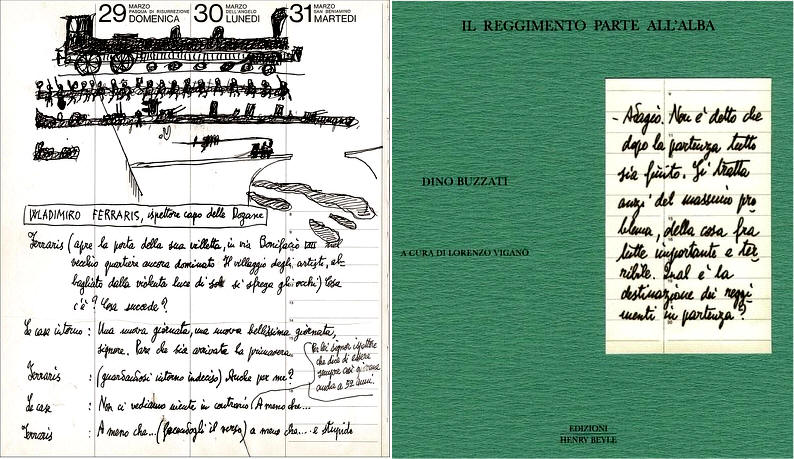
ALL'ALBA - ripubblicato nel - 2018 dopo 30 anni arricchito di immagini
e inediti Un insieme di racconti, annotazioni, elenchi di titoli e personaggi, disegni a completare le parole, a mostrare personali scenari e stati d’animo. Un preciso descrivere se stesso udita la chiamata del proprio « reggimento », il resoconto autentico di una battaglia con la compagna e avversaria di sempre. Edizione in 400 copie, realizzata dal riscontro con il manoscritto originale. Con testi inediti e tredici immagini applicate a mano.
Stampato su carta Tatami
Ivory; la sovraccopertina su carta giapponese Shin-Danshi rimanda a
quella usata presso la corte imperiale per i documenti di particolare
importanza. .
La folaga nuota e si tuffa con grande facilità e può restare sommersa anche per diverso tempo; è inoltre assai riluttante a prendere il volo e prima di alzarsi deve correre piuttosto a lungo sulla superficie dell`acqua. caccia-ti.ch/folaga.htm
http://digilander.libero.it/fontema/song/buzz.wav http://digilander.libero.it/ccalbatross/download/buzzati/buzzati.wav audio pessimismo ilnarratore.com zam.it ibs.it audiolibro https://youtu.be/_DYK9TpYz0Q - sogni e narrativa www.raicultura.it/Dino-Buzzati-i-miei-primi-libri - i miei primi libri
teletini - 1966
- lo scrittore immagina milano nel terzo millenio ...
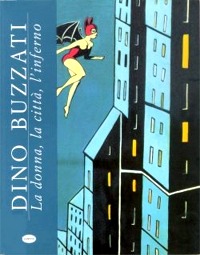
la donna la città l'inferno www.buzzati.it poema a fumetti - mondadori
Teatro Alfieri
- omaggio a Dino Buzzati
“Dino Buzzati –
dice Giuseppe Scuto – è oggi uno scrittore quasi dimenticato, si ricorda di lui
quasi soltanto ‘Il Deserto dei Tartari’, forse i racconti. Uno scrittore
complesso, dalle molteplici armonie, spigoloso nella sua personale ricerca
narrativa. Durante l’omaggio rievocheremo il difficile rapporto con l’immagine
femminile. Bruciante e cieca la vicenda di quest’uomo, che ha saputo rendere in
forma distesa e narrativa il nodo di una problematica personale sicuramente
aspra. Nelle forme romanzesche di cinquant’anni fa, leggiamo con quanta violenza
si sia proposto nei primi giorni della nostra modernità il dramma
dell’insufficienza maschile a reggere il rapporto”.
POESIA
Noi camperemo a lungo, certo. Scrivi, ti prego.
Due righe sole, almeno, anche se l’animo è sconvolto e i
nervi non tengono più. Ma ogni giorno. A denti stretti, magari delle cretinate
senza senso, ma scrivi. Lo scrivere è una delle più ridicole e patetiche nostre
illusioni. Crediamo di fare cosa importante tracciando delle contorte linee nere
sopra la carta bianca. Comunque, questo è il tuo mestiere, che non ti sei scelto
tu ma ti è venuto dalla sorte, solo questa è la porta da cui, se mai, potrai
trovare scampo. Scrivi, scrivi. Alla fine, fra tonnellate di carta da buttare
via, una riga si potrà salvare.
La vita è troppo corta per il lusso di aver
torto, la vita è troppo lunga per poter aver ragione . Che cosa sei, creatura mia ? Un grazioso granellino di polvere sperduto nell’universo. Così solo, semplice e sprovveduto. Se succedesse qualcosa non potresti far altro che nascondere il capino sotto l’ala e lasciarti portar via. Sento il tuo piccolo peso sulla palma della mano, come leggero! Saltelli qua e là, cinguetti, dolce è trattenerti. Ma, per quanto io stringa, tu non entri in me. Uno strato infinitesimo d’aria ci divide sempre, mai e poi mai potremo superarlo. Fuori di me rimarrai dunque, con tutti i tuoi curiosi misteri. Sorrisi, abbracci, cari sguardi, quante inutili fatiche. Mai ci raggiungeremo. Isole solitarie siamo, seminate nell’oceano, e immenso spazio le separa. Baci, giuramenti, lacrime; sono come piccoli ponticelli, ridicoli stecchi che noi tendiamo dalla riva per valicare gli abissi. E ogni giorno si ripete questa assurda storia. L’unica è forse lasciare la propria isoletta, abbandonare la bella casa tra le palme, i libri e le rose, musica e sogni, gettarsi a nuoto, verso una delle altre isole lontane, che ci sembrano stranamente prossime e invece quanto spazio di mezzo; almeno a una di esse. Temo però che anche questo non servirà a niente. A nuoto, così da soli, sul mare immenso? Mai e poi ma-i arriveremo all’isoletta straniera, fosse pure tra le meno lontane; e ci troveremo stanchi, gelati e tristi nel gregge infinito delle onde, non avremo neanche più forze per ritornare. Tutto inutile, dunque? Tentiamo, tentiamo. Laggiù all’orizzonte sulle acque amare, deserte, naviga certe sere Dio con una sua barchetta, invisibile passerà accanto a te che nuoti disperato (può darsi benissimo) e ti toccherà con la sua mano. ... Imprudenza grammaticale Che strana voce grammaticale la prima persona del tempo futuro. Io farò, io partirò, io conquisterò. Chi fu il pazzo a inventarla? Quell’o accentato finale, che ridicolo, con quella sicurezza di sé. Io comprerò, io costruirò, io scriverò. E se non ce ne fosse il tempo? Non l’ha calcolata, il padre ignoto della lingua, questa tenue possibilità? Più decente l’inglese: I shall do, I will do, c’è una intenzione, una volontà, niente di più, non si intende ipotecare il futuro. Mentre noi! Poveri diavoli, che marciamo con il petto in fuori, gli occhi fissi alle lontananze, e magari a mezzo metro c’è la buca. ... Di chi hai paura, imbecille ?
Della gente che sta a guardare? Dei poteri, per strano caso ?
Basterebbe una cosa da niente: riuscire a essere te stesso, con tutte
le stupidità attinenti, ma autentico, indiscutibile . La
sincerità assoluta sarebbe di per se stessa un documento tale !
Chi potrebbe muovere obiezioni? Questo è l’uomo, uno dei tanti se
volete ma uno . Per l’eternità gli altri
sarebbero costretti a tenerne conto, stupefatti . Non hai capito ancora ?
Tu, bellissima, fresca, piena, le membra guizzanti, compatte labbra
socchiuse in un torpido sorriso come di bestiola, occhi tirati dalla
tensione della pelle giovinetta, tu sei soltanto un mio ricordo .
Chissà dov’è il tuo corpo vero, se ancora esiste . Se
esiste è spiegazzato, incanutito, gonfio di grasso, orrendo. Sono io
che ti ho salvata: intatta, tale e quale quella sera nel tram con il
riflesso del semaforo rosso nell’occhio, ricordi ? E per tutti
questi lunghi anni senza saperlo ti ho conservata entro di me, e ora
sei mia e non puoi essere di nessun altro al mondo perché nessuno ti
ricorda come me . E posso fare di te qualsiasi cosa,
stringerti, umiliarti, costringerti alle più tremende cose, la mia
fantasia ti tiene schiava: qualsiasi cosa, tranne ucciderti, a meno
che non mi uccida io stesso . ... Il fatto è che riesce estremamente difficile scegliere il momento giusto. Occorre non pensare ad altro, in quell'attimo, essere tutti concentrati nella propria speranza. Non vale se, quando la stella cade, un'altra idea si insinua nella mente. E credete basti meditare la cosa desiderata subito dopo? Non vale. Un ritardo infinitesimale, e tutto è rovinato. Così si spiega come il miracolo non sia più avvenuto. ... Una immensa piazza dunque, con intorno un'infinità di case, questa è la vita; e in mezzo gli uomini che trafficano fra di loro e nessuno riesce mai a conoscere le altre case; soltanto la propria e in genere male anche questa perché restano molti angoli bui e talora intere stanze che il padrone non ha la pazienza o il coraggio di esplorare. E la verità si trova soltanto nelle case e non fuori. Cosicché del restante genere umano non si sa mai niente. L'uomo passa distratto in mezzo a questi infiniti misteri e ciò non sembra poi dispiacergli eccessivamente. ... D’ora in ora sospinti con la sensazione che fermarsi è impossibile, che il buono ci aspetta più avanti e conviene affrettarsi . Così di giorno in giorno, mese in mese, anno in anno, senza la più piccola pausa, a perdita di fiato . Ed eccoci finalmente qui e siamo sempre gli stessi, non ci sono state interruzioni né fratture, si tratta sempre della stessa corsa per cui partimmo giovanetti, puntando sull’indomani . A quei tempi lontani dunque, che ci piace ritenere felici, ci lega l’ininterrotta progressione delle ore; le quali non è vero che un dì fossero rosa o celesti e adeso grigie, bensì sempre le stesse pressappoco, fatte in modo che standoci dentro non sembrano nulla di speciale, mentre a guardarle dal di fuori, quando si sono fatte lontane, splendono misteriosamente . ... Uomini !
voi andate a dormire e avete anche il coraggio di sbarrare le imposte.
Nel frattempo le nubi bianche spinte dal vento attraverso il cielo,
meravigliose, l’una diversa dall’altra, migliaia e migliaia. La luna
le illumina dall’alto, le trasforma in sogni. Ma voi dormite nella
tana del diciannovesimo piano, vederle non potete. Tu anzi giaci nel
buio, Giovanni, come morto. ... Dio pazientissimo
giorno e notte ci insegue - dove meno
si pensa ci attende all’agguato, non ha bisogno di croce o di altari:
anche nei vestiboli di marmo sterilizzato che non si possono nominare
egli viene a tentarci proponendoci la salvezza
dell’anima .
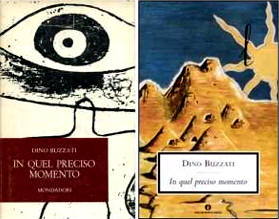
IN QUEL PRECISO MOMENTO ibs
BUZZATI MILANO E LO SMOG https://milano.corriere.it/milano-e-lo-smog-la-citta-inquinata-raccontata-da-dino-buzzati
negli anni
Sessanta disse : A Milano si mangia male milanoguida.com/la-milano-di-dino-buzzati
quello di commuovere la gente che mi legge Essere lodato dai critici non mi interessa Piacere agli intellettuali meno che meno Mi sentirei invece riempire d’orgoglio se un lettore sconosciuto mi venisse a confessare che l’ho fatto piangere
scintille di genio
Il guaito di un cucciolo preso a calci per malvagità è molto diverso dal pianto di un bambino ?
links
www.buzzati.it/?centro_studi
https://maremosso.lafeltrinelli.it/dino-buzzati-opere-vita www.oscarmondadori.it/libri/la-nera www.studenti.it/sessanta-racconti-riassunto www.repubblica.it/le-storie/news/dino_buzzati www.layoutmagazine.it/dino-buzzati-poesia http://it.wikipedia. org/wiki/Dino_Buzzati bio_biblio
https://poetarumsilva.com/una-cosa-che-comincia-per-elle
www.centrostudilivatino.it/procedura-penale-1959-opera-buffa https://poetarumsilva.com solitudine mistero
www.elle.com/dino-buzzati-almerina-antoniazzi
www.lindiceonline.com/letture/dalla-cronaca-nera-al-racconto
cinefacts.it/cinefacts-articolo-410/all-alba-l-addio-a-marilyn-monroe
altri autori
|

 più che in altri scrittori che dipingono.
L'artista bellunese ha sempre percepito i due linguaggi, quello delle forme iconiche e quello della parola, come due strumenti che in perfetta armonia sono in grado di
esprimere lo
stesso mondo poetico e le stesse immagini.
In questo catalogo vengono presentate alcune opere pittoriche di Dino Buzzati, tra le più significative, realizzate tra gli anni Venti e Settanta, al fianco di
alcuni suoi scritti. Si tratta di opere e testi in cui il nesso simbolico
donna-città riveste un posto importante e al tempo stesso singolare: esemplare,
nel suo genere, per la varietà e la ricchezza delle implicazioni che coinvolge,
e insieme unico per certe caratteristiche.
più che in altri scrittori che dipingono.
L'artista bellunese ha sempre percepito i due linguaggi, quello delle forme iconiche e quello della parola, come due strumenti che in perfetta armonia sono in grado di
esprimere lo
stesso mondo poetico e le stesse immagini.
In questo catalogo vengono presentate alcune opere pittoriche di Dino Buzzati, tra le più significative, realizzate tra gli anni Venti e Settanta, al fianco di
alcuni suoi scritti. Si tratta di opere e testi in cui il nesso simbolico
donna-città riveste un posto importante e al tempo stesso singolare: esemplare,
nel suo genere, per la varietà e la ricchezza delle implicazioni che coinvolge,
e insieme unico per certe caratteristiche.