|
edith templeton 7 Aprile 1916 Praga – 12 giugno 2006 Bordighera
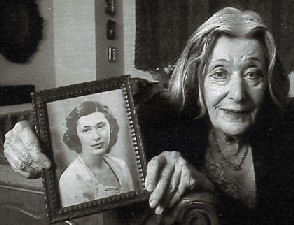
Nata ricchissima, a Praga in un castello in Boemia. Si è laureata a Praga e si è sposata due volte con uomini inglesi. Il secondo marito era medico personale del re del Nepal dove ha vissuto alcuni anni. Separatasi DA entrambi i mariti racconta lei stessa di avere avuto cinquanta amanti. Bellissima donna e grande viaggiatrice. Scrittrice affermata di romanzi alcuni dei quali erotici. Ha vissuto gli ultimi vent'anni della propria vita a Bordighera in un piccolo appartamento dove è morta nel 2006. bordighera.net
EDITH TEMPLETON 1916 - 2006
Nata a Praga NEL 1916,
visse da sola in un piccolo appartamento a Bordighera
- dove mori' nel 2006 - ha
raggiunto il successo con
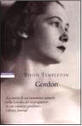
Gordon
- ROMANZo autobiografico,
centrato sulla illogica natura della passione.
Una giovane donna, Louisa, che a 28 anni ha già lasciato il marito, incontra in
un pub Richard Gordon, maggiore dell'esercito britannico e psichiatra in tempo
di pace. Ero sicura che avrebbe cercato di rimorchiarmi. Ero meno sicura di come avrei reagito io". chi scriveva era una signora di 85 anni aging.it bol.it
IL SUCCESSO ARRIVA AD 80 ANNI
praga 1916-2006 bordighera
You are like a child who whistles in the dark
As though the dark cared, my poor child, as
though the dark cared. Beyond my upset I was flooded by a deep happiness similar to the one he made me feel when forcing me to surrender to his virility. No one else before him had given me this gratification but I realised now that the longing to be violated
body and soul, must have always been inside
me gordon Pubblicato per la prima volta nel 1966 dalla New English Library, sotto lo pseudonimo di Louise Walbrook, "Gordon" fu in seguito proibito per oscenità in Inghilterra e in Germania. Nel 1968, l'Olympia Press, la celebre casa editrice parigina fondata da Maurice Girodias nel 1953, nel cui catalogo figurano ROMANZI come "Lolita", "Histoire d'O", "Zenzero" e "Pasto nudo", lo ripubblicò con un nuovo titolo, "The Demon's Feast", attribuendolo però sempre a Louise Walbrook. Soltanto nel 2001 Edith Templeton ha accettato di ripubblicarlo a nome suo con il titolo originale. Forse perché soltanto ora "Gordon" può apparire per ciò che realmente è: uno straordinario ROMANZo su quello stato di 'dipendenza psicologica, oltre che fisica' che costituisce la realtà più autentica dell'amore. bol.it
gordon
archivio.panorama.it https://www.sololibri.net/Gordon-Edith-Templeton.html
... Perhaps it was his disappointment at my being
' such a nice girl ' which had driven him to get drunk later on that night; or
perhaps he had been drunk already in the car. I had lost sight of him as soon as
we had entered the vast lounge of the hotel which was our mess.
But half an hour later, while sitting and talking with several of my friends, I
was astonished by Major Carter's appearance on the gallery which circled the
lounge. He was naked except for his underpants.
Clutching the edge of the balustrade, he shouted: ' I want a
woman. I must have a woman ... ' .
Templeton scrisse
The surprise of Cremona
nel quale va ricordato con
particolare simpatia l’esaltante esclamazione della scrittrice, dopo
aver gustato un eccellente piatto di
mostarda: Life is beautiful !
tutto ciò che scrive la templeton è autobiografico
Allora
viene da pensare a Louisa, la voce narrante DEL ROMANZo Gordon,
che a Londra nel 1946 in un pomeriggio soleggiato di giugno, se
ne stava seduta vicino al bancone di un bar osservando un uomo:
“Ero sicura che avrebbe cercato di rimorchiarmi. Ero meno sicura
di come avrei reagito io”. Louisa è una giovane inglese in divisa
da capitano, e sta per essere posseduta sulla panchina di un
parco dal maggiore dell’esercito britannico Richard Weir Gordon,
in tempo di pace psichiatra. Louisa, che ha già lasciato un
marito, stabilisce un rapporto di sado-masochismo con Gordon che
porterà quest’ultimo al suicidio. Louisa si sposa con un uomo più
anziano e racconta allo psichiatra presso il quale è in cura dopo
il suicidio di Gordon, che il marito sessualmente non la soddisfa
(e lei non soddisfa lui) e che lei ha provato la felicità solo
con l’ufficiale scozzese che la chiamava “bambina mia” e
trasformava ogni abbraccio in uno stupro e ogni dialogo in una
seduta di psicoanalisi violenta
obscene and now heard After the original edition was banned in England and Germany, Gordon was picked up by Maurice Girodias's Olympia Press in Paris, whose Traveller's Companion series, published in English, included Lolita, The Naked Lunch and The Story of O (Girodias wrote that Lolita 'would become the one great modern work of art to demonstrate once and for all the futility of moral censorship'.). Gaining prestige from prohibition and Olympia's imprimatur, Gordon accumulated a considerable European readership and several pirated translations, always under the author's pseudonym. Now, at the age of 87, Edith Templeton has allowed the novel to be published for the first time under her own name after the success of her collected stories, The Darts of Cupid and Other Stories, last year. Her own life, ruthlessly plundered for her fiction, is vivid with dramatic colour; born in Prague in 1916 to wealthy Bohemian parents, she spent her childhood in a castle, was educated at a French lycée and married an Englishman on the eve of war, before herself becoming a captain in the British Army. In 1957, the year after moving to India with her second husband, the first of her stories was published in the New Yorker. In a recent interview with the magazine she claimed that much of her own experience had gone into her stories (many of which feature a narrator named Edith), saying: 'Every bit of it is true! There is not one word of invention.' Gordon is largely autobiographical, she says, based on an intense relationship with a Scottish pyschiatrist whom she met in London, and whom she still describes as her 'erotic ideal'. The only reason for not publishing under her own name, she insists, was that some of the characters were still alive, not because she was at all troubled by the sexual frankness of the content. But the novel must be read in the context of its time. Louisa returns in 1946 to a London full of rootless people, drifting in the uncertain aftermath of war; dislocated, demobbed men confronted by women with a new sense of their own force and independence. She is married but separated from her husband, is neither vigorously promiscuous nor primly continent, but has a charmingly well brought-up attitude towards sex: 'I believed that once one went as far as to consent one should go through with it as nicely as one could, whether one enjoyed it or not, and that it would have been bad manners to do otherwise.' This, I think, is the novel's true taboo; the notion that women can sometimes willingly tolerate cruelty from the men they love and, more than this, come to crave it as a means of self-definition. Gordon sodomises her without consent, orders her to urinate in the street so that he can watch, and pushes her down in filthy alleys to rape her on the way to parties, where he humiliates her in front of his friends, yet she only feels safe in his company. It doesn't take long to work out that the appeal of this combination of punishment and protection he offers is a substitute for her absent father. The tone of the narrative, for all its frankness, at times sounds oddly coy - she refers to masturbation as ' les plaisirs solitaires', and Gordon's penis is always 'his virility'. But Gordon remains, even for modern readers, a compelling story which offers no easy conclusions and deserves a significant place in the history of women's writing. guardian.co.uk/books
Edith Templeton revivalTo hear Templeton's voice is to realize how rare it is and how valuable. Compared to the assured, swaggering male sexual memoir, the female sexual story is just learning to walk, and for the most part it has ventured forth with decided leanings. Jean Rhys and Marguerite Duras list toward entrapment and melancholy. Anais Nin withholds candor. Pauline Reage writes from inside the trance state rather than about it. More recently, in "The Sexual Life of Catherine M. memoirist Catherine Millet prettifies her appetite for debasement as a form of sacrifice and spiritual longing. Performance artists Holly Hughes and Karen Finley celebrate female parts and practices to defy their being veiled. Templeton has no political, moral or clinical agenda, no grievances, no record to set straight. She stands so squarely in the light, she doesn't cast any sort of shadow, and this allows the reader freedom to enter her world, a realm where precise description is everything, where we understand the way her speakers feel from the way they see things. dazereader.com/001268.htm
HA PUBBLICATO ANCHE SOTTO LO PSEUDONIMO Louise Walbrook Summer in the Country 1950 the surprise of cremona 1954 The Proper Bohemians 1952 DEFORMER - 2008
la storia di un'ossessione sessuale nella Londra del dopoguerra in un classico proibito library journal una scrittrice raffinata che sfida Henry Miller e Philip Roth sul terreno della letteratura sessualmente esplicita livia manera – io donna
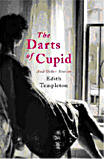
le frecce di cupido Tutte le donne, protagoniste di queste storie, sono eccentriche e distinte ma, irrimediabilmente, trafitte dai dardi di Cupido ... Con la sua prosa classica, chiara e impeccabile, Edith Templeton ci offre uno sguardo intimo sulla sensibilità femminile e ritrae un elegante e passionale modo di vivere che sembra perduto ormai alla svolta del secolo. La sua scrittura, infine, si mostra, in quest'opera più che altrove, come totalmente animata dalla crudele verità del cuore.
unilibro.it
shop.bol.it
le frecce di cupido
le frecce di cupido non ti scriverò nemmeno io Se vorrai tornare da me io ci sarò per natura sono rigidamente monogamo purtroppo Ti vorrò sempre fidati
Just beyond the curtained and half-shuttered window of
Edith Templeton's small flat, in the Italian Riviera town of Bordighera, lush
flowers and palm trees flourish in an atmosphere of sunny off-season indolence.
But inside her sitting room, conversation takes place at an intense emotional
pitch. At 85, Templeton is tiny-boned and barely five feet tall, but there's
nothing else delicate about her, beginning with the head-on stare she trains on
me as I sit on her ancient moss-colored sofa. Her slightly bulging dark green
eyes appear never to blink. Occasionally she'll adjust her hair or touch the
small pearls at her throat, but she never shifts her gaze until she has finished
what she intends to finish, leaning in so far that her head at times seems to
hover several inches in front of her body. This comes across as a result less of
age or of myopia than of a willful, avid nature, and while it adds to the
impression she gives of intellectual vigor, it also increases your feeling of
being pinned, helplessly, as you sit and chat with her ...
DEFORMER Undici anni per selezionare il materiale prodotto nell'arco di trent'anni: "Deformer" di Ed Templeton è uno "scrapbook" che racconta il periodo della formazione dell'artista nella periferia residenziale di Orange County, in California. Un volume interamente seguito dallo stesso Templeton. Le immagini offrono uno sguardo pieno di luce su cosa significhi essere giovani e pieni di vita in quella che Templeton definisce "l'incubatrice domestica della periferia residenziale". "Deformer" intreccia fotografie, dipinti, disegni, pagine di schizzi, richiami disciplinari del nonno e appunti religiosi della madre in un superbo racconto di isolamento adolescenziale e di critica sociale. Molte delle fotografie sono il frutto dell'esperienza di skateboarder professionista. "Essere skateboarder mi ha consentito di girare il mondo, facendomi capire come fosse incasinato il luogo in cui vivessi", dichiara Templeton. "Quello scenario è stato per me come un carburante ed è diventato un punto di partenza per la mia arte". ibs
- libri.dvd.it
|