|
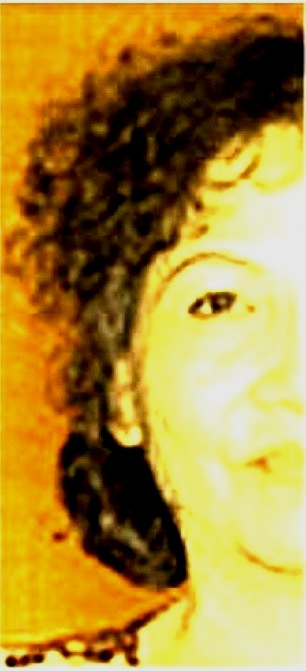
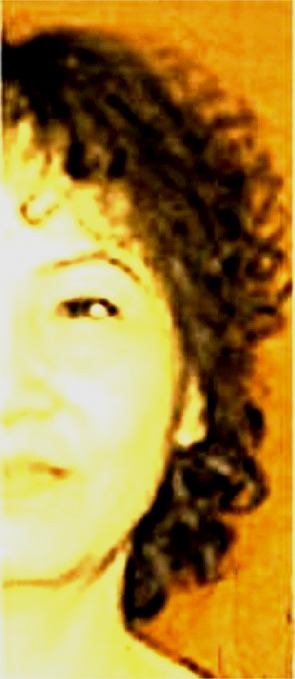
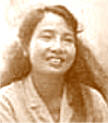
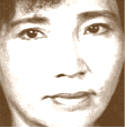
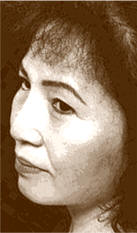
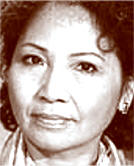
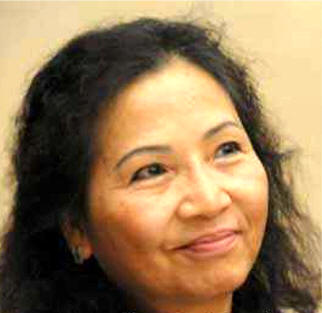
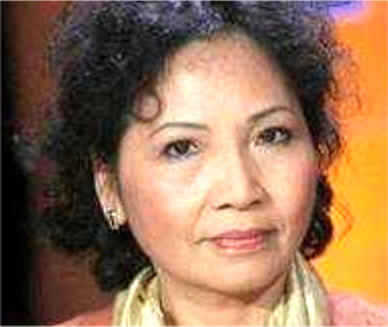
Du'o'ng Thu Hu'o'ng DUONG THU HUONG Thái Bình - nord Vietnam - 1947
|
||||||||||||
|
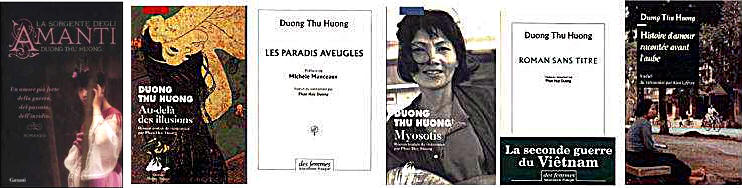
LA SORGENTE DEGLI AMANTI
Un afoso pomeriggio di luglio, un piccolo villaggio di montagna
dell'Asia orientale dimenticato da tutti. Suong non lo sa ancora, ma
la sua vita sta per cambiare per sempre. Stesa ai piedi di un
albero, si gode un breve momento di pausa dal lavoro nei campi e
inizia a cantare. La sua voce si eleva cristallina tra i rami degli
alberi. Per Suong, orfana di entrambi i genitori, cantare è uno dei
pochi momenti di libertà da una vita troppo dura per una ragazzina
che non sa cosa sia la spensieratezza dell'infanzia. Hung, direttore
di una compagnia teatrale itinerante, non ha mai sentito una voce
simile: è lì di passaggio, ma non vuole andarsene prima di aver
convinto Suong a partire con lui. Suong decide di fidarsi di
quell'uomo un po' burbero, abbandona tutto e parte. Ad aspettarla
c'è un lungo viaggio, ci sono il fuoco e l'odio, la fame e la
nostalgia. Ma c'è anche l'amore. È un amore forte e appassionato
quello che nasce tra Suong e Hung. Determinato a crescere nonostante
tutto. Nonostante la guerra. Nonostante il passato. Nonostante le
invidie. Ma quando forse tutto questo sembra solo un ricordo, ecco
che una minaccia, molto più pericolosa, si intromette, tra di loro.
ibs - 2010
Nella società vietnamita le donne hanno sempre
avuto un ruolo importante. L’autrice riflette il sentire comune in
una frase che mette in bocca di Hung all’inizio della storia mentre
pensa alla moglie Suong. “Non è ancora diventata la tipica donna
vietnamita, la guerriera che veglia sul suo clan e sul suo
territorio, la madre che alleva ed educa le nuove generazioni, un
fiore dalle nervature d’acciaio”. Ma alla fine de “La Sorgente degli
amanti” la fragile Suong, costretta dalla sorte, saprà prendere in
mano la sua vita e reggere le sorti della famiglia. Come le donne
vietnamite, abituate da decenni di guerra, hanno sempre saputo fare.
maria - mariatatsos.com - 2011
Les Paradis aveugles
Dans ma mémoire
surgirent des centaines de visages, ceux de mes amis, ceux des gens
de ma génération. Visages rongés par le souci, délabrés, effondrés,
grimaçants, poussiéreux. Visages éperdus, craintifs. Visages de la
peur… La peur de ne pouvoir acheter quelques marchandises, la peur
de ne pouvoir les envoyer, la peur d'apprendre qu'un vieux père, qu'une
vieille mère n'avaient pas résisté à la misère en attendant ces
misérables subsisdes… La peur qu'un dignitaire de l'ambassade ne…
No Man’s Land
the author, as a rightful heir to the
past, Duong is entitled to her earnest hope and dream. Of course one can enjoy “No Man’s Land” for its literal sense, rather than read into its figurative
allusion, where one can be embittered with real life’s peaceful evolution.
nguoi-viet.com
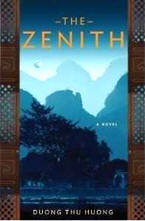
The Zenith
The Zenith is a book describing a
fictionalized account of the life of Ho Chi Minh by celebrated
Vietnamese authoress Duong Thu Huong. Celebrated outside
Vietnam where for the most part Thu Huong and her works do not meet
the Government's approval and she now lives in exile - for some time
- in Paris.
Se è un crimine narrare con tenacia arte e abilità
la realtà della guerra e la vita sotto un regime
totalitario
allora Duong Thu Huong è meravigliosamente colpevole
The
New York Times Book Review
Nei suoi intensi libri la ferma
critica politica e sociale
si unisce all’evocazione di un
paesaggio incantevole
fva.org
shcd.de
rainews24.it
Du'o'ng
Thu Hu'o'ng
la scrittrice dissidente vietnamita
prigioniera nella propria terra é riuscita però a strappare al
regime vietnamita il visto e il passaporto che da nove anni le era
stato ritirato per raggiungere Torino e ricevere il premio Grinzane
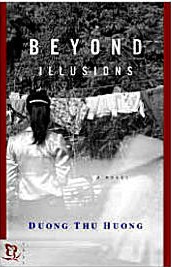
Cavour per il SUO ROMANZo "Oltre ogni illusione" pubblicato da
Garzanti. Le é stato infatti assegnato il riconoscimento speciale
della giuria per la sua lotta in favore dei diritti e della
democrazia. E' salita sul palco felice ma totalmente frastornata
senza riuscire più a rispondere a nessuna domanda perche nei momenti
di emozione e tensione diventa completamente sorda. L'udito é
rimasto infatti gravemente danneggiato durante i bombardamenti della
guerra del Vietnam.
ma grazie alla mia follia
voi sapete che i folli non hanno paura
e
io sono una folle . . .
Happiness always returns
to port . . .
Je voulais
être chanteuse mais je suis partie au front
C'était
l'endroit le plus dangereux
J'ai
toujours aimé le dangereux
desfemmes.fr
Du'o'ng
Thu Hu'o'ng - 1947 - Vietnam
Duong Thu Huong
se ha transformado en la disidente más popular de Vietnam. Hoy se
gana la vida como funcionaria-guionista. Después del divorcio vive
sola en un pequeño apartamento de Hanoi.
sinophilia.org
VIETNAM E LA SUA CULTURA
viaggivietnam.it
- corriereasia.com/vietnam
- sapere.it/enciclopedia/Viet+Nam
Du'o'ng
Thu Hu'o'ng
was born in 1947 in the area of
Thai Binh in Vietnam.
For a decade during the "American War North Vietnamese author and
singer Duong Thu Huong was one of 30 people recruited for an
artistic troupe that performed for soldiers ( "sing louder than the
bombs'') near the central border, where much of the heaviest bombing
took place. When the war ended, she was among the three who survived.
She was also the first female combatant/war correspondent at the
front when China attacked Vietnam in 1979.
mostlyfiction.com
J’ai eu beaucoup de chance
j’en suis
sortie vivante et n’ai perdu qu’un tympan. Je suis à moitié sourde, j’ai attrapé
des tas de maladies pendant la guerre, mais j’ai mes quatre membres, pas comme
ceux qui restent, les malades mentaux, les invalides. Notre génération a été
totalement anéantie, perdue. Je ne sais pas pourquoi je m’en suis tirée car,
pendant la guerre, on ne peut pas éviter la mort. C’est la mort qui vous évite,
qui vous laisse. C’est inexplicable pour vous occidentaux, je crois cette notion
…
Huong's life
too, was inevitably
shaped by the war. As a child, she said, she was refused a good education
because she belonged to neither the peasantry nor the proletariat class: Her
grandmother was a landowner who in the mid-1950s moved to South Vietnam. But at
16, Duong Thu Huong (pronounced zung tu hung) was allowed to join a nomadic
theater troupe and, showing talent, was then sent to a college training actors,
dancers and singers for popular entertainment.
but after a few weeks in
Italy and France, she again intends to return to Hanoi, where her two children
and four grandchildren live. (Huong was divorced in 1982.) And once there, if
the government has no other plans,
she says she will
continue writing.
" I am an
idealist
she said before adding with a mischievous smile
and an imbecile too
"
PREMIO GRINZANE CAVOUR 2005 -
Du'o'ng
Thu Hu'o'ng
“Oltre ogni illusione” rispecchia la sua vita e la sua storia di
donna intellettuale, impegnata nella vita sociale a promuovere la
libertà di espressione. Il Vietnam è un Paese socialista, in cui il
partito unico domina la vita politica. Dopo la revoca dell’embargo
degli Stati Uniti nel 1994, il Vietnam ha riavviato i rapporti con
l’Occidente, ma la democrazia resta molto dubbia.
La natura ideologica delle dittature non cambia, di destra o di
sinistra i metodi di censura sono gli stessi e quando uno scrittore
non è di regime viene imbavagliato. Incoraggia sapere che la
letteratura rimane una voce forte, per questo è censurata. In una
società in cui pare la letteratura abbia un ruolo declinante, queste
censure sottolineano la sua centralità: finché ci saranno scrittori,
ci sarà libertà di scrittura e di pensiero.
PREMIO GRINZANE
Il passaporto gliel’ha
portato, qualche minuto prima di salire sull’aereo, un addetto
dell’ambasciata italiana ad Hanoi, insieme col visto d’ingresso e
gli auguri di buon viaggio. Poi c’è stato il lungo volo,
un’altrettanto prolungata attesa su Parigi, e infine l’arrivo a
Torino, ieri, pronta per l’intervista. Stanca? «Non importa; è tutta
la vita che faccio fatica», risponde Duong Thu Huong, la scrittrice
vietnamita premiata dal Grinzane Cavour nella terna degli stranieri,
tra i quali domani la giuria degli studenti sceglierà il
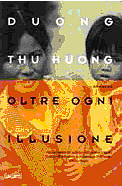
super-vincitore. Il libro selezionato, Oltre ogni illusione
(Garzanti), è in effetti la storia di una estenuante fatica: quella
di chi cerca libertà in un regime opprimente, e pur di non venire a
patti con la menzogna sacrifica anche l’amore, la famiglia, insomma
tutto. La storia di Lihn, insegnante che scopre come l’amatissimo
marito Nguyen, brillante giornalista, per assicurare una certa
prosperità famigliare abbia cominciato a mentire scrivendo articoli
sempre più propagandistici, è anche la sua, al di là forse degli
aspetti sentimentali.
lastampa.it
La mia vita l' ho destinata a un ideale che nessun potere potrà mai
reprimere: la libertà assoluta
È sembrato troppo ai potenti del Vietnam e
lei, Duong Thu Huong, ex comandante di una brigata comunista durante
la guerra contro gli americani, è stata espulsa dal partito e dopo
sette mesi di carcere ha scelto la strada dell' esilio.
Duong Thu
Huong internationally acclaimed writer from Vietnam and recipient of numerous world literary distinctions, has been nominated
for the Nobel Prize for Literature in 2009 by Dr. Joseph Pivato,
Professor, Centre for Language and Literature, Athabasca University,
Canada. This nomination was officially acknowledged Swedish Academy
in February 2009.
FROM
BEYOND ILLUSION
How
could I have loved him like that? She stared at him in the green glow of dawn.
Still sleeping soundly, he was both strange and familiar to her, like a waxen
effigy. That face. The curve of the nose, those earlobes. He was the same man,
the same flesh, that had once been a beacon inside her. Now, he no longer
radiated life, love.
Liar, hypocrite. To think I was once madly in love with him
...
mostlyfiction.com
Come ho potuto amarlo tanto? Lo
guardava nella luce livida dell'alba. Ancora profondamente
addormentato, le era a un tempo familiare ed estraneo, come se ai
suoi occhi si offrisse la fedele riproduzione di una statua di cera.
Quel suo viso. La curva del naso, i lobi delle orecchie. Era lo
stesso uomo, la stessa carne che un tempo era stata un raggio di
luce dentro di lei. Ora, però, aveva cessato di irradiare il calore
della vita e dell'amore. L'uomo si rigirò tra le lenzuola e la sua
barba le punse la guancia. Lei ebbe un moto di repulsione e si rizzò
a sedere sul letto. Strano, come si è fatta rada la sua barba.
Riprese a osservarlo. Sconcertata, si raddrizzò sulla schiena,
appoggiandosi alla parete. Là fuori, nel corridoio: rumore di passi,
il suono metallico di un secchio trascinato sul pavimento.
<Chi sta facendo tutto questo baccano? Non è ancora l'alba!>
protestò stridula una voce di donna. Era quell'arpia di Tong, il
terrore di tutti gli inquilini della casa. <Scusi,
scusi, è che si è rotto il manico del secchio> spiegò
timidamente una voce maschile. Da Tong non giunse nessuna risposta.
il professor Le scese le scale, un ciabattare di sandali che si
faceva sempre più lontano, e poi tornò a regnare la quiete. Poco
mancava alle quattro del mattino e la città non si era ancora
svegliata, anche se la luce dell'alba già si stendeva sui giardini e
iniziava ad allungarsi nelle strade. Una luce avvelenata, una sorta
di pozione malefica, tardo-primaverile, fatta di sole e nebbia
insieme.
BUGIARDO, ipocrita. Pensare che una volta ero pazzaMENTE
INNAMORATA di lui ...
grinzane.it
QUESTO IL MIO
DESTINO
altri autori
|
||||||||||||