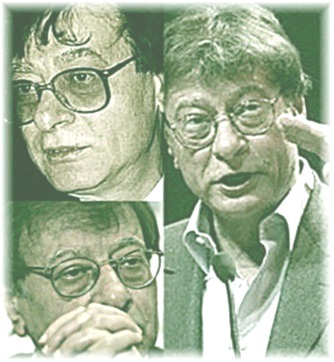
|
MahmOud
Darwish
|
Potete legarmi
mani e piedi
Togliermi il quaderno e le sigarette
Riempirmi la bocca di terra
La poesia e' sangue del mio cuore vivo
sale del mio pane luce nei miei occhi.
Sara' scritta con le unghie
lo sguardo e il ferro
la cantero' nella cella della mia prigione
al bagno
nella stalla
sotto la sferza
tra I ceppi
nello spasimo delle catene.
Ho dentro di me un milione d'usignoli
Per cantare la mia canzone di lotta
arabcomint.com
ilconvivio.interfree.it arabroma.com
|
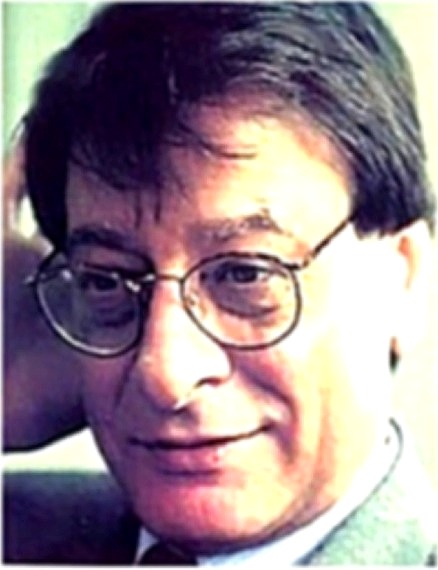
13 marzo 1941 Al-Birwa
9 agosto 2008 Houston Texas |
Ho scoperto
che la terra è fragile
e il mare leggero
ho imparato
che lingua e metafora
non bastano più
a dare un luogo al luogo
oltre l'ultimo cielo
*
IL PIU GRANDE POETA DEL MONDO
saramago
|
INNAMORATO
DALLA PALESTINA
I TUOI OCCHI SONO UNA SPINA NEL CUORE
LACERANO MA LI ADORO.
LI PROTEGGO DAL VENTO
E LI CONFICCO NELLA NOTTE E NEL DOLORE
COSi LA SUA FERITA ILLUMINA LE STELLE
TRASFORMA IL PRESENTE IN FUTURO
PIu CARO DELLA MIA ANIMA.
DIMENTICO QUALCHE TEMPO DOPO
QUANDO I NOSTRI OCCHI SI INCONTRANO
CHE UNA VOLTA ERAVAMO
INSIEME DIETRO IL CANCELLO.
LE TUE PAROLE ERANO UNA CANZONE
CHE IO TENTAVO DI CANTARE ANCORA
MA LA TRIBOLAZIONE SI ERA POSATA
SULLE FIORENTI LABBRA
LE TUE PAROLE COME LA RONDINE
VOLARONO VIA DA CASA MIA
VOLARONO ANCHE LA NOSTRA PORTA
E LA SOGLIA AUTUNNALE
INSEGUENDO TE
DOVE SI DIRIGONO LE PASSIONI
I NOSTRI SPECCHI SI SONO INFRANTI
LA TRISTEZZA HA COMPIUTO 2000 ANNI
ABBIAMO RACCOLTO LE SCHEGGE DEL SUONO
E ABBIAMO IMPARATO A PIANGERE LA PATRIA.
LA PIANTEREMO INSIEME
NEL PETTO DI UNA CHITARRA.
LA SUONEREMO SUI TETTI DELLA DIASPORA
ALLA LUNA SFIGURATA ED AI SASSI.
MA HO DIMENTICATO
OH TU DALLA VOCE SCONOSCIUTA !
HO DIMENTICATO
e STATA LA TUA PARTENZA
AD ARRUGGINIRE LA CHITARRA
O e STATO IL MIO SILENZIO ?
TI HO VISTA IERI AL PORTO
VIAGGIATORE SENZA PROVVISTE - SENZA FAMIGLIA.
SONO CORSO DA TE COME UN ORFANO
CHIEDENDO ALLA SAGGEZZA DEGLI ANTENATI:
PERCHe TRASCINARE IL GIARDINO VERDE
IN PRIGIONE - IN ESILIO - VERSO IL PORTO
SE RIMANE MALGRADO IL VIAGGIO
L’ODORE DEL SALE E DELLO STRUGGIMENTO
SEMPRE VERDE ?
HO SCRITTO SULLA MIA AGENDa
AMO L’ARANCIO E ODIO IL PORTO
HO AGGIUNTO SULLA MIA AGENDA
AL PORTO MI FERMAI
LA VITA AVEVA OCCHI D’INVERNO
AVEVAMO LE BUCCE DELL’ARANCIO
E DIETRO DI ME LA SABBIA ERA INFINITA !
GIURO TESSERO PER TE
UN FAZZOLETTO DI CIGLIA
SCOLPIRo POESIE PER I TUOI OCCHI
CON PAROLE PIu DOLCE DEL MIELE
SCRIVERO
“ SEI PALESTINESE E LO RIMARRAI
”
PALESTINESI SONO I TUOI OCCHI
IL TUO TATUAGGIO
PALESTINESI SONO IL TUO NOME
I TUOI SOGNI
I TUOI PENSIERI E IL TUO FAZZOLETTO.
PALESTINESI SONO I TUOI PIEDI
LA TUA FORMA
LE TUE PAROLE E LA TUA VOCE.
PALESTINESE VIVI
PALESTINESE MORIRAI
...
Pensa agli altri
traduzione di francesca maria corrao
Prepari la tua colazione
pensa agli
altri
. non dimenticare il cibo per i piccioni
.
Combatti la tua guerra
pensa agli altri
. non dimenticare chi chiede la pace
.
Paghi la bolletta dell’acqua
pensa agli altri
. chi si nutre di nubi
.
Torni a casa la tua casa
pensa agli altri
. non dimenticare la gente nelle tende
.
Dormi e conti le stelle
pensa agli altri
. chi non ha spazio per dormire
.
Liberi l’anima con le metafore
pensa agli altri
. chi ha perduto il diritto di parola
.
Pensi agli altri lontani
pensa a te stesso
.
e
dì : magari fossi candela nel buio .
georgiamada.splinder.com
universeofpoetry.org
Pensa
agli altri
Mentre
prepari la tua colazione
pensa agli altri
non dimenticare il cibo delle colombe.
Mentre
fai le tue guerre
pensa agli altri
non dimenticare coloro che chiedono la pace.
Mentre
paghi la bolletta dell’acqua
pensa agli altri
coloro che sorseggiano le nuvole.
Mentre
stai per tornare a casa - casa tua
- pensa agli altri
non dimenticare il popolo delle tende.
Mentre
dormi contando i pianeti pensa
agli altri
coloro che non trovano un posto dove dormire.
Mentre
liberi te stesso con le metafore
pensa agli altri
coloro che hanno perso il diritto di parlare.
Mentre
pensi agli altri, quelli lontani pensa
a te stesso
e di’ :
magari fossi una candela
nel
buio.
come
i fiori di
mandorlo o più lontano - 2010
www.piuculture.it/albo-illustrato-in-italiano
- 2023
|
LOVER FROM
PALESTINE
Your eyes
A thorn in my heart
Painful yet adorable
I shield it from the wind
And stab it deep through the night
Through pain
Its wound illuminates the darkness
Transforms my present into future
Dearer than my soul
And I shall forget as our eyes meet
That once we were together behind the gate
Your words were my song
I tried singing
But winter replaced the spring
Your words, like the sparrow, flew away
Like the sparrow who left our doors
After you
Our mirrors broke-sorrows engulfed us
We picked the splinters of sound
And only learned to lament the Fatherland
We shall plant it together
Over the breast of a guitar
Play it over the roofs of our tragedy
To disfigured moons and rocks
But I have forgotten
I have forgotten your voice
Was it my silence
Was it my silence or
Your departure
That rusted my guitar?
I saw you last at the port
A lonely traveler without luggage
I ran to you like an orphan, a child
Seeking answers in ancestral wisdom:
How could the green orchard be imprisoned
Exiled, banished to a port
And still remain green
I entered in my diary
I love oranges
And hate the port
Where I stood
As torrents of rain poured down
We only had the orange peels
And behind us stretched the endless desert
I saw you on thorny hills
A sheepless shepherd-chased
I saw you on the ruins and once
You were a green orchard
I stood a stranger
Knocking at your door
The doors, the windows, the cemented stone
Vibrated
I saw your face in the wells
In the granaries-torn
I saw you a waitress in the night cafes
I saw through the tears and wounds
And you are the words on my lips
You are the fire
And the water
I saw you at the mouth of a cave
Hanging your orphan's rags
I saw you in the stalls, in the streets
Warming yourself by the fire
I saw you in the lamentations of misery
In blood dripping from the sun
In the salt of the sea and the sand
And yet
You were as beautiful as the earth
As children
I swear
From my eyelashes I shall weave you
A kerchief
with words sweeter than honey
And kisses I shall write:
And kisses you were
And so you will remain
I opened my doors to the night storm
On a bronzy moon
I wandered the back streets in the darkness
And I have a date with words
With the dawn of light
You are my virgin garden as
Faithful as the wheat
With our songs we shall pierce the air
And plant fertility in the dormant earth
And you like the braided palm tree
Unbending to the storm
Heedless of the hewer's blows
Beyond the claw and the fangs of the jungle beasts
Come to me wherever you are
Whatever you have become
And return color to my cheeks
And meaning to my being
Return and take me into your eyes
Take an olive branch
Take a verse of my tragedy
A toy
Take a stone from our house
So that our descendants
Will remember their way home
Palestinian are your eyes
Palestinian is your name
Palestinian your thoughts-dreams
Palestinian your mantilla, your body
Your feet
Palestinian the words-the silence
Palestinian the voice
Palestinian in life
Palestinian in death
I carried you in my diaries
Inspiration for the fire of my words
The food for my thoughts
And in your name I shout in the valleys:
Invaders' horses!-I met them
Though the times have changed
Beware-beware hooves and stones
I destroyed the big idols
The thunderbolt has struck the flint
I shall fill the expanses of Sham
With my songs
In your name I have shouted to the enemy:
If I sleep
Let maggots eat my flesh
Ants cannot breed eagles
And the snake hatches only snakes
Long ago
I turned away the invaders' horses
Deep in my soul!
I know
I will turn them away again
|
|
www.poesiaarabe.com/biografia_de_mahmud_darwish.htm
http://it.wikipedia.org/wiki/Mahmoud_Darwish
rainews24 -
festivaletteratura 2006 - INTERVISTA
https://youtu.be/yoNwv-eFAvs
Lesson From The
Kamasutra
Wait for her with an azure cup.
Wait
for her in the evening at the spring, among perfumed roses.
Wait for her with the patience of a horse trained for
mountains.
Wait for her with the distinctive aesthetic
knowledge of a prince.
Wait for her with the seven
pillows of cloud.
Wait for her with strands of womanly
incense wafting.
Wait for her with the manly scent of
sandalwood on horseback.
Wait for her and do not rush.
If she arrives late, wait for her.
If she arrives early,
wait for her.
Do not frighten the birds in her braided
hair.
Wait for her so that she may sit in a garden
at
the peak of its flowering.
Wait for her so that she may
breathe this air
so strange to her heart.
Wait for her
to lift her garment from her leg
cloud by cloud. And wait
for her
Take her to the balcony to watch the moon
drowning in milk.
Wait for her and offer her water before
wine.
Do not glance at the twin partridges sleeping on
her chest.
Wait and gently touch her hand as she sets a
cup on marble.
As if you are carrying the dew from her
wait.
Speak to her as a flute would
to a frightened
violin string,
As if you knew what tomorrow would bring.
Wait, and polish the night for her ring by ring.
Wait for
her until night speaks to you thus:
There is no one alive
other than the two of you.
So take her gently to the
death you so desire,
and wait.
|
UNA LEZIONE DI KAMASUTRA
Con la coppa incastonata d’azzurro
aspettala
vicino alla fontana della sera
e ai fiori di caprifoglio
aspettala
con la pazienza del cavallo sellato
aspettala
con il buon gusto
del principe raffinato e bello
aspettala
con sette cuscini pieni di nuvole leggere
aspettala
con il foco dell’incenso femminile
dappertutto
aspettala
con il profumo maschile di sandalo
sui dorsi dei cavalli
aspettala.
E non spazientirti. Se arriva in ritardo
aspettala,
se arriva in anticipo
aspettala
e non spaventare gli uccelli
sulle sue trecce
e aspettala
chè si sieda rilassata
come un
giardino in fiore
e aspettala
chè respiri un’aria estranea al suo
cuore
e aspettala
fino a che non sollevi il suo vestito
scoprendo le gambe
nuvola dopo nuvola
e aspettala
e portala su un balcone
per vedere una luna annegata nel latte
e aspettala
e offrile l’acqua prima del vino e non
guardare il paio di pernici
che le dormono sul petto
e aspettala
e accarezza lentamente la sua mano
quando poggia la coppa sul marmo
come se sollevassi la rugiada per lei
e aspettala
e parlale come il flauto
alla coda spaventata del violino
come due testimoni di ciò
che il domani vi prepara
e aspettala
e leviga la sua notte anello dopo anello
e aspettala
fino a che la notte non ti dica
Al mondo siete rimasti soltanto voi due.
Allora portala dolcemente
alla tua morte desiderata
e aspettala .
|
|
UNA LEZIONE DI KAMASUTRA
da Il letto della straniera 2009 - testo
scelto da Julian Schnabel per il film Miral apprezzato al Festival del
Cinema di Venezia 2010
|
I am a worker of metaphors not a worker of
symbols
I believe in the power of poetry, which gives
me reasons to look ahead and identify a glint of light. Poetry can
be a real bastard. It distorts. It has the power to transform the
unreal into the real, and the real into the imaginary. It has the
power to build a world that is at odds with the world in which we
live. I see poetry as spiritual medicine. I can create in words what
I do not find in reality. It is a tremendous illusion, but a
positive one. I have no other tool with which to find meaning for my
life or for the life of my nation. It is in my power to bestow on
them beauty by means of words and to portray a beautiful world and
also to express their situation. I once said that I built with words
a homeland for my nation and for myself.
Dalia Karpel - jehat.com
In the Presence of
Absence
What is Lost
In exile you choose a space to tame habit, a private space
for your journal. So you write: Place is not the trap. We can say:
Here we have a side street, a post office, a bread seller, a laundry,
a tobacco shop, a tiny corner, and a smell that remembers …
Cities are smells: Acre is the smell
of iodine and spices. Haifa is the smell of pine and wrinkled sheets.
Moscow is the smell of vodka on ice. Cairo is the smell of mango and
ginger. Beirut is the smell of the sun, sea, smoke, and lemons.
Paris is the smell of fresh bread, cheese, and derivations of
enchantment. Damascus is the smell of jasmine and dried fruit. Tunis
is the smell of night musk and salt. Rabat is the smell of henna,
incense, and honey. A city that cannot be known by its smell is
unreliable. Exiles have a shared smell: the smell of longing for
something else; a smell that resembles another smell. A panting,
nostalgic smell that guides you, like a worn tourist map, to the
smell of the original place. A smell is a memory and a setting sun.
Sunset, here, is beauty rebuking the stranger.
But to love the sunset is not, as they
say, one of the attributes of exile.
Memory, your personal museum, takes you into the realms of
what is lost. A
sesame field, a plot of lettuce, mint, a round sun that falls into
the sea. What is lost grows in you and in the sunset, which grants
what is distant the attributes of paradise and purges it of any
defect. Whatever is lost is worshipped. Yet it is not so!
Rein in place, then, with the halter of expression! Carry it, just
as you carry your name, not your shadow, in your imagination, not in
a suitcase. In this sunset words alone are qualified to restore what
was broken in time and place and to name gods that paid no attention
to you and waged their wars with primitive weapons. Words are the
raw materials for building a house.
Words are a homeland.
Mahmoud Darwish
translation sinan antoon - pen.org - 2012
|
I have a seat
in the
abandoned theater
in Beirut. I might forget, and I might recall
the final act without longing ...
not because of anything
other than that the play was not written
skillfully ...
Chaos
as in the war days of those in
despair
and an autobiography
of the spectators’ impulse.
The actors were tearing up their scripts
and searching for the author
among us, we the witnesses
sitting in our seats
I tell my neighbor the artist :
Don’t draw your weapon
and wait, unless you’re the author !
- No
Then he asks me: And you are you the author ?
- No
So we sit scared. I say : Be a neutral
hero to escape from an obvious fate
He says: No hero dies revered in the second
scene. I will wait for the rest. Maybe I would
revise one of the acts. And maybe I would mend
what the iron has done to my brothers
So I say : It is you then ?
He responds: You and I are two masked authors
and two masked
witnesses
I say: How is this my concern ? I’m a spectator
He says: No spectators at chasm’s door ... and no
one is neutral here. And you must choose
your part in the end
So I say: I’m missing the beginning
what’s the beginning ?
translated
by
Fady Joudah
TI HO SCONFITTO, MORTE
O
morte, siediti e aspetta .
Prendi un bicchiere di vino e non
trattare .
Una come te non tratta con nessuno
uno come me non si oppone alla serva
dell’invisibile .
Prendi fiato … forse sei spossata da
questo giorno
di guerra astrale . Chi sono io
perche tu mi faccia visita ?
Hai tempo di esplorare il mio poema ?
No . Non è affar tuo
Tu sei responsabile della parte
d’argilla
dell’uomo, non delle sue opere o delle sue parole .
O morte, ti hanno sconfitta
tutte le arti .
Ti hanno sconfitta i canti della
Mesopotamia
l’obelisco dell’Egizio, le
tombe dei Faraoni
le incisioni sulla pietra di un
tempio
ti hanno sconfitta
hanno vinto ed e sfuggita ai tuoi
tranelli
l’eternità …
e allora fa’ di noi, fa’ di te
ciò che vuoi .
.
|
Amo della notte
il preludio
quando venite insieme
mano nella
mano, e mi avvolgete lente
strofa dopo strofa, mi portate
lassù sulle vostre ali.
Amiche mie restate, non
affrettatevi
e dormite contro i miei fianchi
come le ali di una rondine stanca.
Calda è la vostra seta. Il flauto
dovrà rallentare
per levigare un sonetto
quando mi
troverete segreto e bello
come un senso sul punto di
spogliarsi.
Non riuscendo ad arrivare
né a indugiare davanti alle
parole
mi sceglie come soglia.
Amo della poesia la spontaneità
della prosa
e l’immagine velata
senza una luna per l’eloquenza:
quando cammini scalza
la rima abbandona l’amplesso delle
parole
e si spezza la cadenza al culmine
della prova.
Un poco di notte accanto a te
basta
per farmi uscire dalla mia Babilonia
verso la mia essenza, la mia fine.
Nessun giardino in me
e tu, tu sei tutta.
E da te
trabocca il me libero e buono.
traduzione di Chirine Haidar
A mia madre
Mi manca il pane di mia madre
Il suo caffè
La sua
carezza
Che cresce con la mia infanzia
Giorno dopo
giorno
Amo la vita
Perché se morissi
Non
sopporterei il pianto di mia madre!
Accoglimi se un giorno diventero’
Mascara per le tue ciglia
E coprimi le ossa di erbe
Portate dal tuo candido seno¨
E stringimi forte
Con una ciocca dei tuoi capelli
Sperando di diventare un dio
Diventero’ un dio …
Quando tocchero’ il fondo del tuo cuore
E quando tornero’, usami come
combustibile
Per
rinvigorire il fuoco
Come filo da bucato sul terrazzo di
casa
Perché non posso resistere senza le tue preghiere
Sono invecchiato
Ridammi le stelle dell’infanzia
Perché possa condividere coi giovani uccelli
La strada
del ritorno
Verso il nido della tua attesa !
palestinanews.altervista.org
.
|
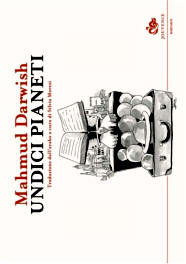
Undici pianeti
scritto da Mahmud Darwish nel 1992, è forse uno dei lavori più
completi del poeta palestinese, ed è legato a una data chiave per la
storia araba e mondiale, il 1492: anno della scoperta dell’America e
della definitiva espulsione di musulmani ed ebrei dall’Andalusia,
temi su cui ruotano le prime due sezioni dell’opera. Recuperando la
storia di pacifica coesistenza dell’Andalusia araba e quella dello
sterminio degli indiani d’America, Darwish racconta la tragica
esperienza del popolo palestinese, privato del proprio passato e
della propria terra. Dal “ritorno” al mito pre-biblico e alla storia
cananea per (ri)costruire le fondamenta dell’identità palestinese e
riaffermare la sua esistenza su quella terra a una lunga poesia
d’amore in cui la storia privata del poeta si mescola a quella
palestinese, Darwish approda a un’elegia dedicata ad un poeta
iracheno e che diviene elegia per l’intero Iraq assassinato nella
guerra del Golfo del 1991.
static.lafeltrinelli.it - 2018 -
academia.edu/Analisi_e_Traduzione_completa
TRILOGIA PALESTINESE
La prima raccolta dei tre testi
in prosa più significativi di uno dei più grandi poeti del
Novecento. E senz’altro del più grande poeta e scrittore arabo del
secolo scorso. Dice Elias Sanbar: “Darwish
non era ambasciatore del suo paese ma un poeta slegato dalla
nazionalità e dal passaporto.
Certamente la Palestina era il suo humus, la terra dove affondava le
radici: la sua flora e la sua fauna, la sua musica e le sue nuvole,
ma tutto questo non doveva essere il suo limite. Se parla di terra,
quella terra è proprio la sua terra. Non si è mai impantanato nelle
chiavi di lettura che davano della sua opera”. Diario di ordinaria
tristezza 1973 ripercorre il tempo che precede la scelta dell’esilio
– gli arr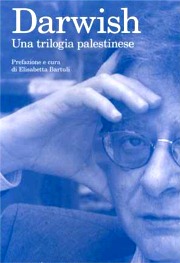 esti domiciliari, gli interrogatori degli ufficiali
israeliani, il carcere – e chiude la fase più drasticamente
militante del poeta. Memoria per l’oblio 1987 evoca l’invasione
israeliana di Beirut nell’agosto del 1982. In presenza d’assenza
2006 è una riflessione sull’esperienza poetica e sulla lingua. Una
sorta di testamento, che coincide con l’addio dello struggente poema
Il giocatore d’azzardo 2009, che chiude questo volume. esti domiciliari, gli interrogatori degli ufficiali
israeliani, il carcere – e chiude la fase più drasticamente
militante del poeta. Memoria per l’oblio 1987 evoca l’invasione
israeliana di Beirut nell’agosto del 1982. In presenza d’assenza
2006 è una riflessione sull’esperienza poetica e sulla lingua. Una
sorta di testamento, che coincide con l’addio dello struggente poema
Il giocatore d’azzardo 2009, che chiude questo volume.
feltrinelli.it - 2014
.
Il cielo di Beirut è una grande cupola, una scura lastra di ferro
... Posso prendere un gesso e scrivere sulla lavagna i nomi e i
commenti che voglio.
L’idea mi attrae.
Che cosa scriverei se salissi sul tetto più alto
?
‘ Non passeranno ’ ?
L’hanno già scritto.
‘ Moriamo perché la patria viva
’ ?
L’hanno già scritto.
’ Hiroshima ’
? Già scritto.
Tutte le lettere si sono sparpagliate via dalla mia memoria e dalle
mie dita. Ho dimenticato l’alfabeto.
Ricordo solo sei lettere :
b e i r u t .
editoriaraba.wordpress.com - 2014
|
*
Muore il poeta della
Palestina - 9 agosto 2008
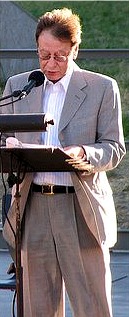
E' morto negli Stati Uniti all'età di 67 anni
...
dopo il terzo intervento chirurgico al cuore
- i
precedenti nel 1984 e nel 1998 - ...
uno dei più
grandi poeti contemporanei in lingua araba, con una produzione
segnata dai drammi dell'esilio e dell'occupazione vissuta dal popolo
palestinese.
Darwish aveva acquisito notorietà internazionale con circa trenta
opere tradotte in quaranta lingue.
Sarà sepolto SULLA
COLLINA DI Ramallah
con gli onori riservati ai grandi.
bio
Darwish era nato il 13 marzo 1941 ad Al
Birweh, in Galilea, allora sotto mandato britannico e oggi nel nord
di Israele. Durante la guerra arabo-israeliana del 1948, questo
villaggio fu raso al suolo e i suoi abitanti furono costretti
all'esilio. La famiglia Darwish fuggì in Libano dove rimase per un
anno, prima di tornare clandestinamente in Israele, nella località
di Deir al Assada. Mahmoud studiò nelle scuole arabo-israeliane (in
arabo e ebraico) e andò a vivere ad Haifa. Nel 1960, a 19 anni,
pubblica la sua prima raccolta di poesie, Uccelli senza ali. Un anno
più tardi aderisce al Partito comunista d'Israele. Dopo un lungo
periodo di restrizioni, all'inizio degli anni Settanta sceglie
l'esilio, prima a Mosca, poi al Cairo. Nel 1973, a Beirut, dirige il
mensile Questioni palestinesi e lavora come caporedattore nel Centro
di ricerca palestinese dell'Olp (Organizzazione per la liberazione
della Palestina), cui aderisce mentre l'organizzazione è in guerra
con Israele. Se ne va dall'Olp nel 1993 per protestare contro gli
accordi di Oslo che, secondo lui, non daranno una "pace giusta" ai
palestinesi. Ma nel 1995 torna a Ramallah, in Cisgiordania, dopo
l'avvento dell'Autorità palestinese. Nel maggio 1996 viene
autorizzato a entrare in Israele, per la prima volta dopo l'esilio,
per partecipare ai funerali dello scrittore arabo-israeliano Emile
Habibi.
In questi ultimi anni ha vissuto tra Ramallah e Amman. Molti e
prestigiosi sono i riconoscimenti ottenuti. Dall'ex Urss fu
insignito del Premio Lenin, la Francia lo ha nominato cavaliere
delle Arti e delle Lettere, e all'Aja ha avuto il prestigioso premio
Prince Claus per la «sua opera impressionante».
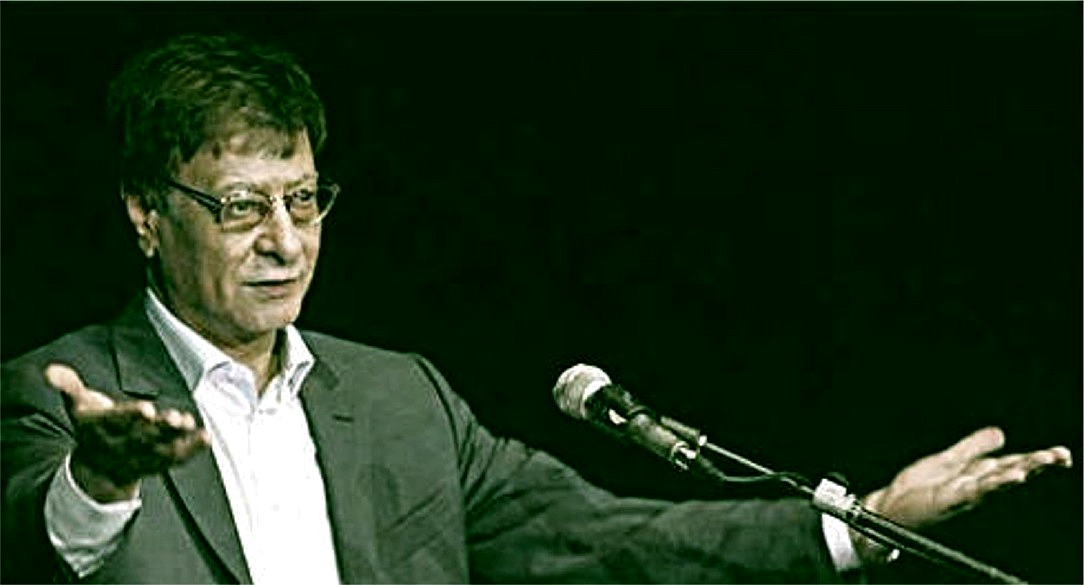
Mahmoud Darwich était présent au festival des musiques du monde, Les
Suds, à Arles, le 14 juillet 2008
redazione ilmessaggero.it - fazzettino.it - cdt.ch -
invisiblearabs.blogspot.com - flickr_kahala -
musique.arabe.over-blog.com
canadianpress.google.com -
suds-arles.com - AP
nella foto DM il 14 luglio 2008 Théâtre Antique D’Arles -
france
.
NOMINATO simbolo della cultura araba per il 2018 dalla
Commissione Permanente per la Cultura Araba
agenzia stampa
Infopal - adessonews.info - 2018
In questa terra
la signora di tutte le terre
qualcosa che merita la vita
versi sulla lapide - collina
di ramallah - nacque ad
al-birwah
Mr Darwish has died at 1:35 pm 1835 GMT
Ann Brimberry spokeswoman for the Memorial Hermann Hospital in Houston Texas
- where he was being treated told AFP.
Darwish previously underwent heart surgery in 1984 and 1998, with
the latter operation inspiring the following verse
|
|
I have defeated you death
All the beautiful arts
have defeated you
The songs of Mesopotamia
the obelisks of Egypt
the carved tombs of the pharaohs
on the altar
have defeated you
and you are vanquished
|
The 67-year-old writer was placed on life support two days ago
following complications arising from the surgery, a friend told AFP
in Jerusalem earlier, asking not to be named.
Darwish is the essential breath of the Palestinian people. the eloquent witness of exile and belonging
the poet Naomi Shihab Nye
once said of him
afp.google.com - imemc.org - 9 agosto 2008
darwishfoundation.org
|
|
Si tratta di un uomo
Incatenarono la sua bocca
legarono le sue mani
alla roccia della morte
e dissero : “ sei un assassino “.
Gli tolsero il cibo, gli abiti, le bandiere
lo gettarono nella cella dei morti
e dissero : “ sei un ladro “.
Lo rifiutarono in tutti i porti
portarono via la sua piccola amata
e dissero : “ sei un profugo “.
O tu, dagli occhi e le mani sanguinanti !
la notte è effimera,
né la camera dell’arresto
né gli anelli delle catene
sono permanenti.
Nerone è morto, ma Roma no,
lotta persino con gli occhi !
e i chicchi di una spiga morente
riempiranno la valle di grano.
poesie sulla resistenza palestinese
|
Hai ragione
Hai ragione: abbiamo bisogno urgente della prima fede e del primo
fuoco. Abbiamo bisogno della nostra semplicità.
Abbiamo bisogno del primo insegnamento della patria: Resistere con
tutto ciò che possediamo di tenacia ed ironia.
Con tutto ciò che possediamo di furore. Nei momenti critici
aumentano le profezie.
Ed eccomi vedere il viso della libertà accerchiato da due ramoscelli
d’ulivo. Lo vedo sorgere da un sasso.
palestina
|
|
PER NON DIMENTICARE
in 11
città reading collettivo . Bari Cagliari Firenze
Macerata Messina Milano Napoli Roma Salerno
Torino Venezia le città in cui contemporaneamente
- in una solidarietà che abbraccia l’Italia intera - il pubblico
ascolta i versi del poeta palestinese.
giuseppe favilla - italnews.info - 13.3.2014
Darwish a
Riyadh fiera del libro 2014
Saudi book fair bans 'blasphemous' darwish works after
protest
Removal of books from Riyadh publishing event is condemned by PEN as
censorship .
ansamed -
theguardian.com - march 2014
|
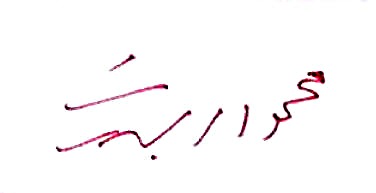
Il fiore del
mandorlo è trasparente come una risata d’acqua
che dalla timidezza della rugiada sboccia sui rami . .
leggero come un bianco motivo musicale . .
debole come l’apparire di un’idea che spunta sulle dita
e inutilmente scriviamo
*
pagina
1
- 2
|
I will not be an
' I ' twice
|
altri autori
 home home
|